


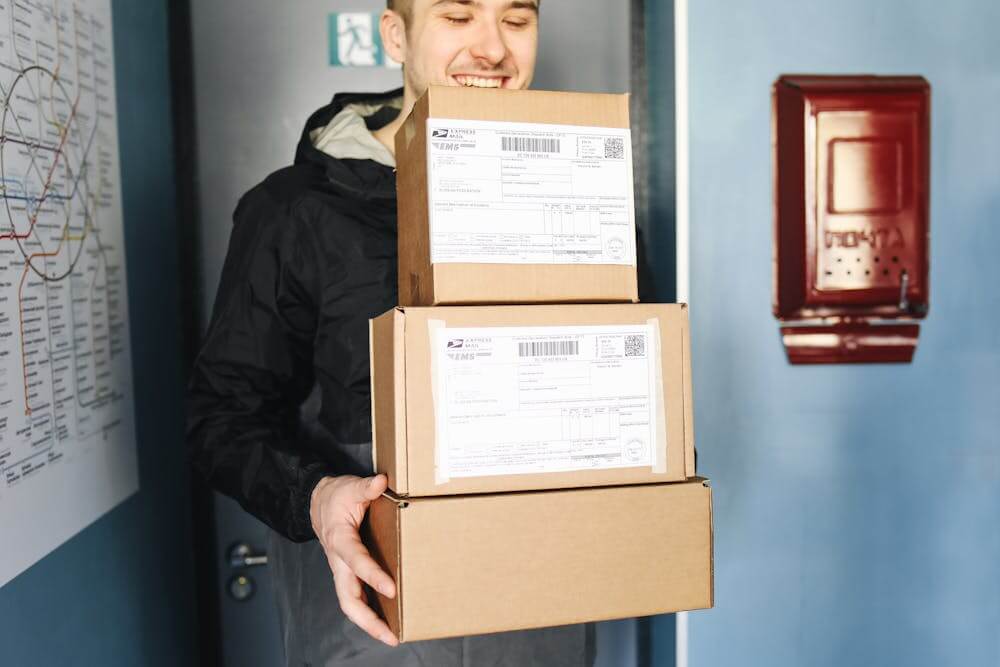
Delivery rarely gets talked about until it goes wrong.
Most businesses still treat it like a background task. Something operational. Necessary, but not really part of the “experience”. Customers, though, don’t see it that way. To them, delivery is the final handshake. If it feels sloppy or uncertain, it colors everything that came before it.
Speed plays a role in that, but not in the way many companies assume. It’s not about being the fastest across the board. It’s about using speed carefully, and knowing when it actually matters.
There’s a useful overview of the same day delivery benefits that helps put this into context, especially when you stop thinking of delivery as a perk and start seeing it as reassurance.
1. Speed only works when it removes doubt
Not every purchase is urgent. That’s the part people often miss.
If someone is buying something decorative, or non-essential, they’re usually fine waiting a couple of days. What they want is confidence that it will turn up when you say it will. Speed doesn’t really change their decision.
But urgency changes everything. A forgotten gift. A replacement part. Something tied to a deadline. In those cases, faster delivery doesn’t just save time, it removes hesitation. It gives the customer permission to press “buy” without overthinking it.
This is why blanket promises rarely work. The businesses that manage this well quietly limit fast delivery to specific products, order times, or locations. They don’t try to win every race. They choose which ones are worth running. Many of the key considerations around same-day delivery point back to this exact trade-off.
2. Certainty beats speed more often than you’d think
A surprising number of delivery complaints are not really about speed at all. They’re about confusion.
Customers want to know what’s happening. When something will ship. When it will arrive. And whether that estimate actually means anything. When that information is fuzzy, people start checking emails, refreshing tracking pages, and assuming the worst. This is now part of basic ecommerce user experience. Clear delivery dates at checkout. Honest processing times. Simple updates that explain delays instead of hiding them.
A two-day delivery that arrives exactly when promised often feels better than a “next-day” option that slips. One feels controlled. The other feels careless.
3. Reliability is what sticks in memory
Fast delivery gets attention. Reliable delivery builds trust.
Missed first attempts. Damaged items. Silence when something goes wrong. Those are the things customers remember, and they remember them longer than a quick arrival.
Reliability usually comes down to boring details. Address checks. Realistic cut-offs. Support teams that are allowed to fix issues without bouncing customers around. None of this looks exciting on a marketing page, but it quietly does the work. In a crowded market, reliability is often what separates brands that feel safe from those that feel risky.
Where this leaves most businesses
Fast delivery isn’t a goal by itself. It’s a tool. Use it when it removes doubt. Back it up with clarity. Protect it with reliability.
When those pieces line up, delivery stops being something customers worry about. And when customers stop worrying, they tend to come back without needing to be persuaded.
That’s the real advantage.
