


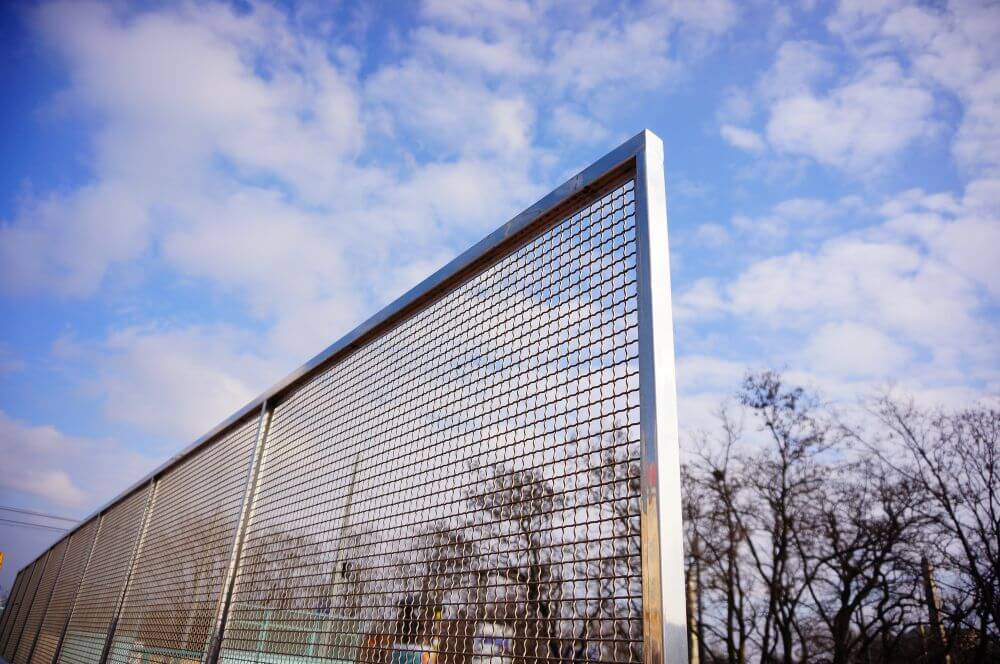
Renovating a store while staying open is always a balancing act. You need to protect customers and staff without making the space feel like a construction zone. Smart planning and cost-effective fencing rentals for building sites help you manage risk while business continues.
Why Renovation Zones Need More Than A Caution Sign
Any active work area in a retail space brings real hazards. You have cords, tools, uneven flooring, dust, and workers moving materials in and out. A single misstep by a curious shopper can quickly lead to an injury and a claim.
Simple cones or a “Pardon Our Dust” sign do very little when customers are focused on finding products. People naturally wander, and many assume they can slip past a barrier for a quicker route. Clear physical separation is the only way to remove that temptation.
When you carve out a renovation area, think of it as a controlled job site inside your store. You would never let the public walk through an open construction zone outside. The same mindset should guide your choices indoors.
When Temporary Fencing Becomes Essential
Anytime work poses a risk of falling, tripping, or sharp edges, fencing should be used. Instead of using a gentle visual cue, demolition, framing, flooring modifications, and ceiling work all support a strong barrier. Fencing cannot be negotiated if saws, lifts, or large deliveries pass through the area.
The moment you can no longer maintain a safe walkway with full-width clearance and smooth footing, you need more than tape. That is your signal that the area must be fully isolated from public access. Good fencing allows workers to move freely while keeping shoppers out of danger.
If your insurance carrier or mall management requires a safety plan, they will look for proof of separation. Showing that you used proper barriers often strengthens your position if an incident occurs. It signals that you treated the renovation as a true job site.
Choosing The Right Type Of Temporary Fencing
Not every project needs heavy steel barriers. In many cases, lightweight panel systems with bases give you the control you need without overwhelming the sales floor. You can reconfigure them overnight as work shifts from one area to another.
Solid panels or mesh with privacy screens are useful when the work is dusty or visually messy. They block both access and sight lines, which can be important if you are tearing out old fixtures. A clean visual wall also keeps the store looking more polished during the project.
For exterior storefront work, a sturdier construction fence rental may be the better choice. These systems withstand weather and after-hours tampering. They also help you manage pedestrian flow on sidewalks while keeping tools and materials secure.
Planning For Accessibility And Emergency Access
While you are blocking off construction zones, you must keep accessible routes open. People should navigate the store by simulating wheelchair or stroller transportation.
Aisles must be maintained at their original width and level, and all sharp turns should be removed.
Fencing should not extend into areas which contain fire exits, alarm pulls, or emergency equipment. Emergency paths should be marked for visibility, and staff should be trained on which gates or panels can be opened in an emergency. All employees must review the details at pre-shift huddles to understand the facility layout.
After closing, your fencing also plays a role in security. A locked gate or sealed panel line around tools and new fixtures protects your investment overnight. You reduce the chance of theft and help contractors leave the site in a safer condition.
Conclusion
When you plan ahead and use cost-effective fencing rentals for building sites, renovation becomes a controlled project rather than a daily gamble. Your crew works faster, your shoppers feel safe, and your brand comes through the dust looking sharper than before. Everyone wins when safety and access move together.
