


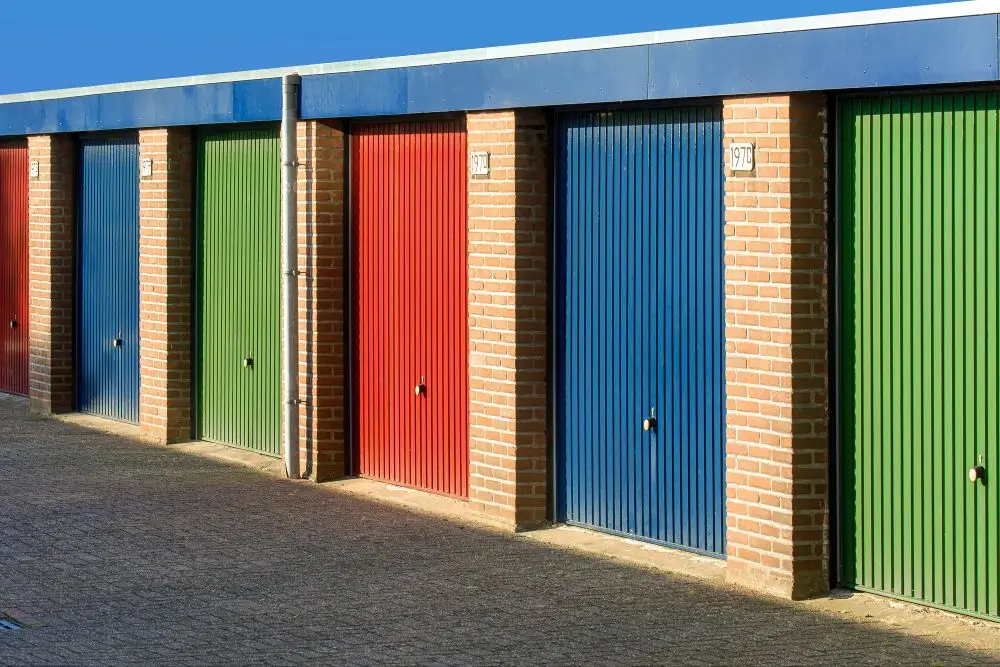
The self-storage industry used to be simple: build a facility, set a flat monthly rate, and watch the units fill up. But as customer expectations shift and modern technology reshapes traditional real estate, operators can no longer rely on rigid, set-it-and-forget-it rates. Today, operators are fundamentally rethinking how they price their spaces to stay competitive, maximize revenue, and retain loyal customers.
Much of this change is being driven by rapid industry growth and shifting market dynamics. According to Fortune Business Insights, the global self-storage market was valued at USD 65.01 billion in 2025. It is projected to grow from USD 68.90 billion in 2026 to USD 109.66 billion by 2034, with a CAGR of 5.98% during the forecast period.
With billions of dollars pouring into the space and new facilities popping up, operators are turning to smarter, dynamic pricing models to stand out in an expanding market.
Softer Demand Is Exposing Old Pricing Habits
The post-pandemic storage boom, where operators filled units despite aggressive rate hikes, has officially faded. Demand has cooled largely because the housing market, the primary driver of storage rentals, is moving at a much slower pace.
J.P. Morgan Global Research projects U.S. home prices to stay flat in 2026 before rising 3% in 2027. High prices, fueled by limited housing inventory, continue to stall home sales and slow overall moving activity.
With fewer moves taking place, operators are seeing a widening gap between what long-term tenants pay and the lower promotional rates offered to new renters. Existing customers often notice cheaper online rates for comparable units, and that mismatch tends to fuel complaints and move-outs rather than loyalty.
Pricing strategies built for a peak-demand market simply don’t hold up as conditions normalize. That’s pushing operators to rethink habits that went unquestioned for years and find a better balance between retaining existing tenants and winning new ones.
From Static Rates to Dynamic, Data-Driven Pricing
Self-storage operators are increasingly moving away from fixed annual rate increases toward dynamic pricing that responds to occupancy, competitor rates, and lead volume. Larger operators may review rates several times a month, using automated tools to make smaller adjustments while leaving major decisions to human teams. This turns pricing into an ongoing process rather than a once-a-year decision.
However, adoption remains uneven, with many independent facilities still relying on manual and infrequent rate reviews. That can create a competitive gap, leaving operators vulnerable to overpricing and lost leads or underpricing and missed revenue opportunities.
Because pricing affects unit mix, promotions, marketing, and tenant retention, building a data-driven system can be difficult without specialized expertise. This is where self-storage consulting can help.
Self Storage 101 highlights that consultants can help owners, investors, and developers address these challenges through feasibility studies and due diligence. They also offer audits and training designed specifically for the self-storage industry.
Unit Mix and Specialty Storage Are Reshaping Revenue
Pricing strategy is no longer just about changing rates on existing units. Increasingly, operators are looking at what types of spaces they offer and how those choices can generate more revenue.
Climate-controlled units, for example, can command higher rates than standard units and have become a major focus in new construction. Some facilities are also adding larger specialty spaces for small businesses, contractors, or collectors, creating opportunities for higher returns per square foot.
This shift matters even more as new self-storage supply slows across many markets. With fewer new facilities entering the market, operators are under greater pressure to maximize revenue from the space they already have.
That makes unit mix a more important part of pricing strategy. By matching available space to local demand, customer needs, and willingness to pay, operators can potentially increase revenue without relying solely on across-the-board rate increases.
Pricing Now Includes More Than the Base Rate
Rate per square foot is no longer the only factor shaping self-storage revenue. Administrative fees, mandatory insurance or protection plans, and other add-on charges are increasingly part of the pricing conversation, especially as rental rates level off.
Customers are also becoming more price-conscious and comparing the total cost of storage rather than focusing only on the advertised monthly rate.
But price is not the only factor influencing how customers judge value. Trust and security matter, too. For example, customers at an Ashburn self-storage facility told Loudoun Now they were dealing with tens of thousands of dollars in losses following a theft. Security footage reportedly showed a U-Haul entering the facility and leaving hours later with belongings from 11 units.
Incidents like this can make customers question whether the overall cost of storage reflects the value and security they receive. As a result, operators need to consider rates, fees, discounts, and the customer experience as parts of one pricing strategy.
Retention Is Becoming as Important as Acquisition
In a softer market, retaining existing tenants is becoming just as important as attracting new ones. Winning new customers can require more marketing and promotional spending, while keeping current tenants often comes down to making pricing feel fair and predictable.
As Emma Banks, Award-Winning Self-Storage Innovator, notes, “In the self-storage industry, customer retention is often the quiet hero behind steady growth.” She adds that keeping existing customers longer can have a significant impact on profitability and often costs less than constantly acquiring new ones.
For operators, this means paying closer attention to rate increases, how those increases are communicated, and the gap between in-place rents and current market rates. Targeted concessions may also help retain tenants who are considering moving out, without giving discounts to everyone.
A pricing strategy focused only on acquisition can ultimately hurt long-term revenue if frequent or poorly timed increases push loyal customers away. A balanced approach can support both retention and sustainable growth.
FAQs
Why are self-storage rates flattening even though demand for storage still exists?
Overall demand hasn’t disappeared, but the drivers behind it have slowed. In particular, a sluggish housing market reduces the number of moves that typically prompt storage rentals. At the same time, more supply built in recent years means operators are competing harder for a smaller pool of new tenants, which puts downward pressure on advertised rates.
What’s the difference between dynamic pricing and traditional storage pricing?
Traditional pricing typically involves setting a rate and adjusting it infrequently, often once a year. Dynamic pricing uses more frequent reviews, sometimes powered by software, to account for current occupancy, competitor rates, and lead volume. This allows operators to make smaller, more responsive adjustments.
Is hiring a consultant worth it for a small, independently owned storage facility?
It depends on the facility’s resources and pricing sophistication. For operators without dedicated revenue management staff, consultants can provide market benchmarking and a structured pricing framework. This can be especially valuable in a market where pricing mistakes are more costly than before.
Self-Storage Industry Statistics at a Glance
| Global self-storage market size, 2025 | USD 65.01 billion |
| Projected global self-storage market size, 2026 | USD 68.90 billion |
| Projected global self-storage market size, 2034 | USD 109.66 billion |
| Global self-storage market CAGR | 5.98% |
| Expected U.S. home price change, 2026 | 0% (flat) |
| Expected U.S. home price change, 2027 | 3% increase |
| Units affected in reported Ashburn storage theft | 11 units |
| Reported losses from Ashburn theft | Tens of thousands of dollars |
Self-storage pricing is no longer a once-a-year decision that operators can set and forget. Softer demand, changing customer expectations, and growing competition are pushing businesses to take a more active approach to pricing.
Dynamic tools, better data, and outside expertise can help operators respond to market conditions while protecting revenue and tenant relationships. The goal is not simply to raise or lower rates, but to understand what customers are willing to pay and how pricing affects occupancy, retention, and profitability.
Operators that treat pricing as an ongoing strategic decision, rather than a fixed number, will be better positioned to adapt and grow as market conditions continue to change.
